



Please read on, stay posted, subscribe, and we welcome you to tell us what you think.
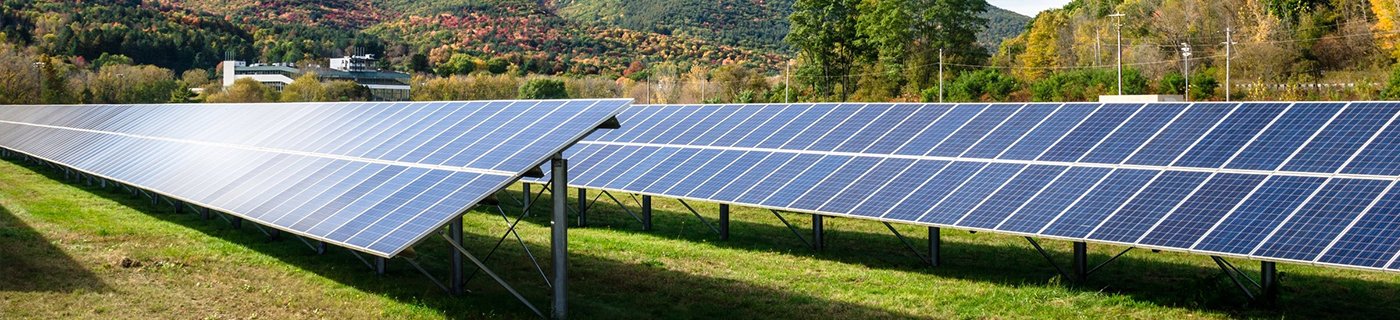
A solar mounting system is more than just a set of brackets holding solar panels in place. It is a complete structural solution made up of several components that work together to support PV modules, transfer loads to the roof or ground, and maintain the stability of the entire solar array.
So, what components are needed for solar mounting systems? A typical system includes mounting rails, mid clamps, end clamps, roof attachments or ground foundations, connecting brackets, fasteners, and grounding accessories. The exact combination depends on the installation surface, roof type, project design, and local wind and snow load requirements.
As a solar mounting structure manufacturer, Landpower provides mounting solutions and accessories for metal roofs, tile roofs, flat roofs, ground-mounted solar projects, and solar carports. Understanding the role of each component helps solar installers, distributors, and EPC contractors select a suitable mounting configuration for their projects.
Although mounting designs vary between projects, most conventional solar racking systems share several basic components. Each part has a specific function, from attaching the structure to the building or foundation to securing the solar modules in position.
Here are the main solar mounting system components and their functions:
| Component | Main Function | Common Application |
|---|---|---|
| Mounting Rails | Support and align solar panels | Roof and ground mounting |
| Mid Clamps | Secure adjacent solar panels | Rail-based PV systems |
| End Clamps | Fix the outer edges of panels | Rail-based PV systems |
| Roof Hooks and Brackets | Connect the mounting structure to the roof | Tile and metal roofs |
| Fasteners and Splices | Connect and secure structural parts | Different mounting systems |
| Grounding Accessories | Provide electrical bonding and grounding connections | Solar PV installations |
| Foundation Components | Anchor ground-mounted structures | Ground-mounted solar farms |
Mounting rails are one of the most important parts of a solar panel mounting system. They provide the supporting surface where solar modules are positioned and fixed. Rails also help distribute the loads from solar panels to the roof attachments or supporting structure.
Aluminum alloy is commonly used for solar mounting rails because it offers a good balance of strength, lightweight construction, and corrosion resistance. Aluminum rails can be supplied in different profiles and lengths to match different mounting systems and installation requirements.
For example, Landpower offers 40×40mm aluminum solar mounting rails with customized lengths and natural, silver, or black anodized finishes. These rails are suitable for various tile roof and metal roof applications, depending on the system configuration.
When selecting solar mounting rails, consider:
Choosing the right rail profile is particularly important for large commercial installations, where structural consistency and installation efficiency directly affect project execution.
Explore Landpower Solar Mounting Rails and Accessories to find components for different roof mounting applications.
Solar panel clamps are essential fastening components in rail-based mounting systems. They hold the modules firmly in position and help prevent unwanted movement caused by wind pressure and other external loads.
Mid Clamps are installed between adjacent solar panels. They grip the frame edges of neighboring modules and secure them to the mounting rail. The clamp height must match the thickness of the solar panel frames.
End Clamps are installed at the outer edges of a solar panel array. Their main function is to hold the first and last modules securely in place.
Both components are commonly manufactured using 6005-T5 aluminum alloy combined with stainless steel 304 fasteners. Silver and black anodized finishes are available for different project requirements.

Solar mounting adjustable end clamp for different panel frame heights
For installers working with different solar module sizes, adjustable clamps can offer greater flexibility. Landpower's adjustable mid clamps and end clamps support solar panel frame thicknesses from 30mm to 50mm, helping accommodate different module specifications.
For projects requiring flexible panel compatibility, Landpower's solar mounting accessories include adjustable clamp solutions for different installation needs.
Roof attachments connect the solar mounting structure to the building's roof. They transfer the loads from the rails and solar modules to the roof structure, making them important components for the overall stability of a rooftop PV installation.
Different roof materials require different attachment methods. Using an unsuitable bracket can affect installation quality, roof waterproofing, and long-term structural performance.
Common roof mounting attachments include:

Roof mounting rails and attachment components for rooftop solar installations
Landpower provides different roof hook designs for flat tiles, slate tiles, and other tile profiles, as well as metal roof mounting solutions for corrugated and standing seam roofs.
If your project involves tiled roofing, you can learn more about Landpower's Solar Panel Tile Roof Mounting System and its compatible hooks, rails, and fastening components.
A solar mounting structure also requires smaller connection components to hold the complete system together. Although these parts are not always visible after installation, they play an important role in structural stability and installation quality.
Common connection hardware includes:
Compatibility is especially important when purchasing these accessories. The dimensions, thread specifications, materials, and connection profiles should match the selected mounting structure. Using incompatible hardware may increase installation time or create unnecessary fitting problems.
Grounding and bonding accessories are another important part of a solar mounting installation. They help establish the required electrical bonding path between compatible conductive structural components and the grounding system.
Typical accessories include:
The grounding method should be selected according to the mounting system design, applicable electrical codes, and project specifications. Not every mounting connection automatically provides an approved grounding path.
Unlike rooftop solar installations, ground-mounted solar systems require a foundation structure to transfer loads safely into the ground. Their component configuration is usually more extensive because it must account for soil conditions, installation height, wind exposure, and project scale.
A typical ground-mounted solar mounting structure may include the following parts:

Aluminum ground mounting structure for commercial solar projects
Landpower offers aluminum and steel ground mounting solutions, including pile-driven and ground screw foundation configurations. Aluminum structures are often selected for their lightweight construction and corrosion resistance, while steel structures can provide high structural strength for large-scale projects.
For commercial and utility-scale installations, explore Landpower's Ground Mounting System to learn more about aluminum ground mounts, steel structures, and ground screw solutions.
The material selection of solar mounting components affects their mechanical strength, corrosion resistance, weight, and service life. Different parts may require different materials depending on their structural functions and installation environments.
| Material | Typical Applications | Main Characteristics |
|---|---|---|
| Aluminum 6005-T5 | Rails, clamps, brackets | Lightweight, strong, corrosion-resistant |
| Stainless Steel 304 | Bolts, hooks, clamps, fasteners | Good corrosion resistance and fastening strength |
| ZAM Coated Steel | Ground mounting posts and structural parts | High strength and enhanced corrosion protection |
| Carbon Steel | Structural supports and foundations | High mechanical strength and structural versatility |
For example, Landpower uses aluminum alloy Al6005-T5 and stainless steel 304 in its roof mounting solutions. Its ZAM ground mounting structures use high-strength coated steel for demanding ground installation applications.
The best material is not necessarily the most expensive one. Buyers should consider the project location, environmental exposure, structural calculations, applicable standards, and expected service life before making a decision.
Selecting solar mounting components should start with the actual installation conditions rather than choosing individual accessories separately. A well-matched component combination helps reduce installation difficulties and ensures that the complete structure works as designed.
Before purchasing a solar mounting system, consider these factors:
Roof or Ground Conditions: Identify whether the installation is on a tile roof, corrugated metal roof, standing seam roof, flat roof, or open ground. Each surface requires a different attachment or foundation solution.
Solar Panel Specifications: Check module dimensions, frame thickness, weight, and mounting hole positions to ensure compatibility with rails and clamps.
Environmental Loads: Consider local wind speed, snow load, temperature variations, and corrosion exposure. These conditions affect structural design and material selection.
Installation Efficiency: Pre-assembled components, compatible connection hardware, and simplified mounting designs can help reduce on-site labor and installation time.
Customization Requirements: For projects with unusual roof profiles, special panel dimensions, or specific structural requirements, customized brackets and mounting accessories may be necessary.
Landpower develops solar mounting solutions for different installation environments and can provide OEM production according to customer drawings. Sharing project drawings, panel specifications, roof details, and load requirements helps the engineering team identify suitable components.
Choosing a reliable solar mounting supplier is about more than purchasing individual rails or brackets. Buyers need a supplier who understands how different components work together and can provide mounting solutions that match actual project requirements.
Landpower focuses on solar PV mounting structures and accessories for various applications, including:
With different mounting configurations and OEM production capabilities, Landpower can support distributors, solar installers, and EPC contractors looking for components or complete mounting solutions.
If you are planning a new solar installation or sourcing mounting hardware for distribution, contact Landpower with your project requirements. The team can help identify suitable components and provide a mounting solution based on your installation conditions.
What are the main components of a solar mounting system?
The main components typically include mounting rails, mid clamps, end clamps, roof hooks or brackets, fasteners, grounding accessories, and structural supports. Ground-mounted systems also require foundation components such as ground screws or driven piles.
What is the difference between a solar mid clamp and an end clamp?
A mid clamp secures two adjacent solar panels together along their shared edges, while an end clamp holds the outer edge of a solar panel. Both are used to secure modules to compatible mounting rails.
What material is best for solar mounting rails?
Aluminum alloy 6005-T5 is widely used for solar mounting rails because it combines good mechanical strength, lightweight construction, and corrosion resistance. The final material selection should depend on project loads and environmental conditions.
Do all solar mounting systems need roof hooks?
No. Roof hooks are mainly used for compatible tile roof installations. Metal roof systems may use L feet, hanger bolts, or standing seam clamps, while flat roof systems can use ballasted or mechanically fixed structures.
Are grounding accessories necessary for solar mounting systems?
Grounding and bonding components are required where specified by the electrical design and applicable regulations. Earthing lugs, clips, and bonding jumpers help establish electrical continuity between compatible conductive components.
Can solar mounting components be customized?
Yes. Components such as rails, clamps, roof hooks, and brackets can be customized according to project drawings, panel dimensions, roof profiles, and installation requirements. Landpower also accepts OEM production according to customer drawings.
What information should I provide when requesting a solar mounting quotation?
It is helpful to provide the installation type, project location, solar panel dimensions and frame thickness, roof or soil conditions, required mounting capacity, and estimated project quantity. Structural drawings and load requirements can also help suppliers prepare a more accurate solution.
Looking for reliable solar mounting components for your next project?
Contact Landpower to discuss your solar mounting requirements, request product details, or explore customized mounting solutions for your project.
 get the latest subscribe for newsletter
Please read on, stay posted, subscribe, and we welcome you to tell us what you think.
Email : Sales@LandpowerSolar.com
Tel : +86 -592-6212776
Unit 206-9, No 15, Duiying Road, Jimei District, Xiamen, China
GET DIRECTIONS




 IPv6 network supported