



Please read on, stay posted, subscribe, and we welcome you to tell us what you think.
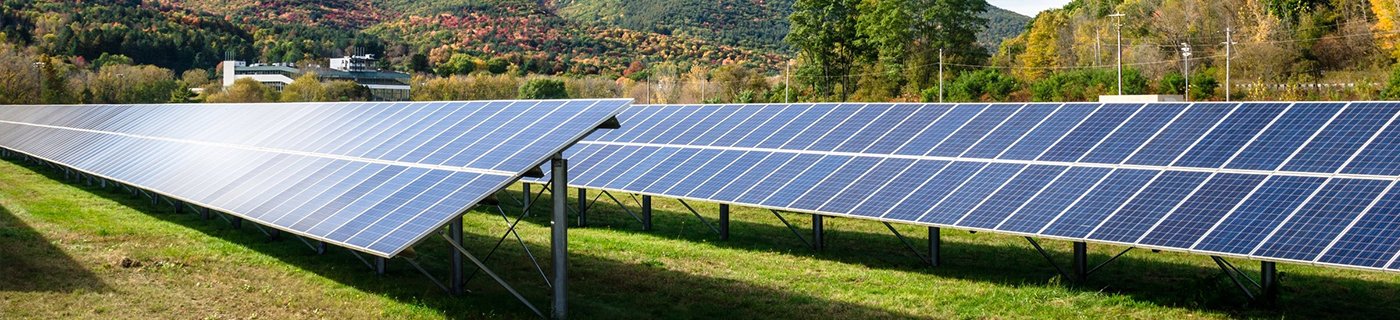
For a utility-scale solar farm, the ground mounting system is more than a structure that holds photovoltaic modules in place. It connects the solar array to the ground, transfers wind and snow loads to the foundation, and influences how efficiently the entire project can be installed. A poorly matched foundation or support layout may increase construction costs, create installation delays, and make long-term maintenance more difficult.
So, how do you choose the right ground mounting system for a solar farm? The answer starts with the project site. Soil conditions, terrain, foundation requirements, module layout, environmental loads, and construction schedules all affect the final design. A system that works well on compact, level ground may not be the best option for rocky terrain or a site with challenging soil conditions.
Landpower Solar specializes in solar mounting structures for commercial and utility-scale PV projects. Its ground mounting product range includes pile-driven steel structures, ground screw mounting systems, and aluminum ground mounting solutions. This article explains the engineering and procurement factors that solar developers, EPC contractors, and project buyers should evaluate before selecting a ground mount solar structure.
A solar farm ground mounting system is a structural assembly designed to support PV modules on open land. It typically consists of foundation posts or ground anchors, support legs, beams, mounting rails, module clamps, and connecting hardware. These components work together to maintain the required panel orientation and transfer structural loads safely into the ground.
For large-scale solar installations, a suitable structure should meet several practical requirements:
The best ground mounting system is therefore not necessarily the one with the lowest material price. It is the solution that balances foundation performance, structural reliability, installation efficiency, and the total cost of the project.

Ground mounting structure designed for open-field solar installations.
Foundation selection is one of the most important decisions in a solar farm mounting project. The ground conditions determine how the structure transfers vertical loads, horizontal forces, and uplift forces into the soil. Choosing a foundation based only on appearance or initial price can create problems during installation or operation.
Before choosing a mounting structure, project developers should review the available geotechnical information, including soil type, bearing capacity, groundwater conditions, soil density, and potential corrosion exposure. Where necessary, a geotechnical investigation and on-site foundation tests should be completed.
Compact and relatively uniform soil: Driven piles may be suitable when the soil can provide adequate resistance and the installation equipment can reach the required depth.
Sites with suitable conditions for screw anchors: Ground screws can provide an alternative foundation method where their installation and pull-out performance can be verified for the actual soil conditions.
Rocky or difficult ground: Standard pile-driving or ground screw methods may not be practical in every location. Alternative foundation solutions, such as concrete foundations or project-specific anchoring arrangements, may need to be evaluated.
Landpower's aluminum ground mounting solution can be installed on either ground screw or concrete foundations, depending on project requirements. This flexibility is useful when the site needs a foundation arrangement adapted to different ground conditions.
Pile-driven foundations and ground screw foundations are two common options for solar farm ground mounting systems. Both can support large-scale PV structures, but they use different installation methods and have different site requirements.
Pile-driven foundations use steel posts that are driven into the ground with suitable piling equipment. The method can reduce the need for concrete work and support relatively fast installation when soil conditions allow the piles to reach the required depth and resistance.
For large open-field projects, pile-driven structures are often considered because the installation process can be repeated across many foundation positions. However, pile length, profile, embedment depth, and installation tolerances need to be confirmed through engineering design and site testing.

Steel pile-driven solar mounting structure for open-field PV projects.
Landpower's Pile Driven Steel Ground Mount Structure uses Zn-Al-coated steel and is designed for open-field solar installations. The product information lists pile-driven foundations, framed or frameless module compatibility, and portrait or landscape module arrangements. The final configuration can be adjusted according to project requirements.
Ground screw foundations use helical or screw-shaped steel anchors installed into the soil. They can reduce the need for excavation and concrete curing, which may help simplify construction when ground conditions are suitable.
However, ground screws are not suitable for every soil type. Their dimensions, installation torque, embedment depth, and pull-out resistance should be verified through appropriate site investigation and testing. A ground screw that performs well in one soil condition should not automatically be specified for another project.
The decision between pile-driven and ground screw foundations should consider installation equipment, soil resistance, construction time, transportation, and the total installed cost rather than the foundation material price alone.
The structural material affects the weight, strength, corrosion protection, transportation, and installation characteristics of a solar farm mounting system. Steel and aluminum are both widely used, but their suitability depends on the project design rather than a simple material preference.
Steel ground mounting structures are commonly considered for large-scale projects that require robust support members and specific structural configurations. High-strength steel can provide the required load capacity with an engineered section design. Protective coatings, such as hot-dip galvanizing or zinc-aluminum-magnesium coatings, are important considerations for outdoor exposure.
Landpower offers steel ground mounting structures using coated steel materials. Its Single Row ZAM Ground Mount, for example, uses ZAM-coated S350GD high-strength steel and a single-pile-per-post configuration. This design is intended to simplify the foundation arrangement and on-site installation.
Aluminum ground mounting structures are lightweight and offer good corrosion resistance when the alloy and surface treatment are properly specified. They can be useful where reduced component weight, easier handling, and pre-assembled parts are important to the installation plan.
Landpower's aluminum ground mounting systems use anodized aluminum components and stainless steel fasteners. The company describes these systems as suitable for large commercial PV installations and offers portrait and landscape configurations.

Aluminum ground mounting structure with pre-assembled support components.
For project buyers comparing these options, Landpower's ground mounting system range includes both aluminum and steel solutions. Material selection should be based on structural calculations, soil conditions, corrosion exposure, and the project's installation strategy.
A solar farm is rarely built on perfectly uniform ground. Changes in elevation, uneven terrain, drainage paths, and existing land features can influence the mounting structure layout and foundation height.
Before finalizing the structure, the project team should review the site's topographic survey and proposed array layout. This helps determine whether the mounting system needs adjustable support heights, different post lengths, or customized structural components.
Ground slope: A sloping site may require different foundation elevations or specially designed support arrangements to maintain the intended panel geometry. Excessive slope can also affect installation access and equipment movement.
Drainage: Foundation positions and support layouts should avoid interfering with natural drainage paths. Poor drainage can contribute to soil erosion, water accumulation, and long-term foundation problems.
Row spacing: The distance between PV module rows affects shading, land utilization, maintenance access, and cable routing. It should be determined using the project's location, solar position, module dimensions, and electrical design.
Installation access: The layout should leave enough room for piling equipment, material handling, construction vehicles, and future maintenance activities. A design that looks efficient on a drawing may become difficult to build if access routes are not considered.
For bifacial PV modules, array height, rear-side clearance, ground reflectivity, and structural shading also deserve attention. Landpower provides a ground mounting system for bifacial solar modules, designed to reduce structural shading and accommodate the requirements of bifacial installations.
Solar farms are exposed to outdoor conditions throughout the year. Wind pressure, uplift forces, snow accumulation, and temperature changes can all affect the mounting structure. These loads need to be considered during the engineering stage, especially for large arrays with extensive exposed surfaces.
Wind load: Wind can create pressure and uplift forces on PV modules and their supporting structures. The design should consider local wind speed, terrain category, installation height, module tilt, array configuration, and applicable structural standards.
Snow load: In regions with heavy snowfall, the structure must support the expected snow load without excessive deformation. Module orientation, tilt angle, support spacing, and structural member sizes should be evaluated together.
Foundation resistance: The foundation must transfer the design loads into the soil. Pull-out resistance, lateral resistance, and vertical bearing performance should be verified using appropriate calculations and site tests.
Do not select a ground mounting structure simply because its product page lists a maximum wind speed or snow load. These values are configuration-specific and depend on structural geometry, foundation conditions, module layout, and the applicable design standard. Ask the supplier for project-specific calculations and supporting technical documentation before confirming an order.
A solar farm mounting system is expected to remain outdoors for many years. Moisture, salt spray, industrial pollutants, and soil contact can gradually affect exposed metal components. Corrosion protection should therefore be selected according to the installation environment and the expected service conditions.
For steel structures, common protection methods include hot-dip galvanizing and zinc-aluminum-magnesium coatings. These coatings help protect the steel surface, but their performance depends on coating composition, thickness, edge treatment, fabrication processes, and environmental exposure.
ZAM-coated steel is one option for solar mounting projects. Landpower's ZAM ground mount products use zinc-aluminum-magnesium coated steel, which is designed to provide enhanced corrosion protection compared with conventional galvanized materials. Buyers should still review coating specifications and relevant test documentation for the selected product.
For aluminum structures, anodizing can improve the surface's resistance to environmental exposure. Stainless steel fasteners should also be selected with attention to the surrounding materials and the risk of galvanic corrosion. Material compatibility is particularly important in coastal or high-humidity environments.
For a solar farm with thousands of modules, small improvements in installation time can have a meaningful impact on the construction schedule. The mounting system should therefore be evaluated not only by its structural performance but also by how easily it can be transported, handled, and assembled on site.
Pre-assembled supports and standardized connections can reduce the number of installation steps. A clear component identification system can also help construction teams organize materials and avoid assembly mistakes.
When reviewing a supplier's proposal, consider the following practical points:
Landpower's aluminum ground mounting system uses pre-assembled support components to reduce on-site assembly work. Its steel ground mounting solutions also use connection designs intended to simplify installation. The actual labor savings will depend on the project layout, site conditions, equipment, and construction team.
A manufacturer cannot accurately recommend a solar farm mounting structure based only on the project's installed capacity. The engineering team needs sufficient site and module information to evaluate the foundation, support layout, and structural configuration.
When requesting a quotation or customized design, prepare the following information:
If the foundation method has not yet been finalized, provide the soil report and site information first. The manufacturer and project engineer can then evaluate suitable options instead of assuming that a standard pile or ground screw will work.
Landpower Solar is a solar mounting structure manufacturer based in Xiamen, China. Its product portfolio includes aluminum and steel ground mounting systems, pile-driven structures, ground screw solutions, bifacial module mounting structures, and other PV mounting components.
For solar farm developers and EPC contractors, this product range provides different structural options for projects with varying foundation and material requirements. Landpower's product information also describes customized mounting designs based on project-specific conditions, including foundation arrangements, support dimensions, and module configurations.
Rather than selecting a standard product based only on its listed specifications, project buyers should share their drawings, module datasheets, soil information, and structural requirements with the manufacturer. This makes it easier to evaluate whether a pile-driven steel system, ground screw solution, or aluminum structure is suitable for the site.
If you are planning a utility-scale PV installation or sourcing ground mounting systems in bulk, visit Landpower Solar to review its product range and contact the team for project-specific technical discussions and quotations.
What is the best ground mounting system for a solar farm?
There is no single best ground mounting system for every solar farm. The right solution depends on soil conditions, terrain, foundation requirements, environmental loads, module layout, and construction costs. Pile-driven steel systems and aluminum structures with ground screw or concrete foundations are common options to evaluate.
What is the difference between pile-driven and ground screw solar foundations?
Pile-driven foundations use steel posts installed into the ground with piling equipment. Ground screw foundations use helical steel anchors screwed into suitable soil. Both methods can reduce the need for extensive concrete work, but their suitability depends on soil conditions, installation equipment, and verified foundation resistance.
Are ground screw foundations suitable for every solar farm?
No. Ground screw foundations are not suitable for every soil condition. Rocky ground, certain dense soil layers, underground obstructions, and other site constraints may affect installation. Soil investigation and on-site testing should be completed to confirm the required screw type, installation depth, and load capacity.
Is steel or aluminum better for solar farm ground mounting?
Steel is often selected for structural members that require high strength and robust support. Aluminum offers lightweight construction and good corrosion resistance when properly treated. The appropriate material depends on structural calculations, environmental exposure, transportation, installation requirements, and project budget.
How do I know whether a pile-driven foundation will work on my project site?
Review the geotechnical report and confirm soil resistance, groundwater conditions, and potential installation obstacles. Trial piling and pull-out or other relevant foundation tests can help verify the selected pile profile, embedment depth, and performance before large-scale installation.
What information is needed to customize a solar farm mounting structure?
Useful information includes the project location, site layout, topographic survey, soil report, module datasheet, row spacing, tilt angle, wind and snow load requirements, preferred foundation method, material specifications, and estimated quantity. Engineering drawings can help the manufacturer prepare a project-specific proposal.
Can Landpower provide customized ground mounting systems for solar farms?
Landpower provides aluminum and steel ground mounting solutions and describes customized designs for specific solar projects. Buyers can share technical drawings, module information, soil conditions, and installation requirements for the manufacturer to evaluate a suitable configuration.
Choosing a ground mounting system for a solar farm requires more than comparing steel profiles or foundation prices. Soil investigation, foundation testing, structural design, corrosion protection, and installation planning all contribute to the performance and cost of the project. By providing accurate site information and working with an experienced mounting structure manufacturer, solar developers can identify a solution that fits their engineering and construction requirements.
 get the latest subscribe for newsletter
Please read on, stay posted, subscribe, and we welcome you to tell us what you think.
Email : Sales@LandpowerSolar.com
Tel : +86 -592-6212776
Unit 206-9, No 15, Duiying Road, Jimei District, Xiamen, China
GET DIRECTIONS




 IPv6 network supported