



Please read on, stay posted, subscribe, and we welcome you to tell us what you think.
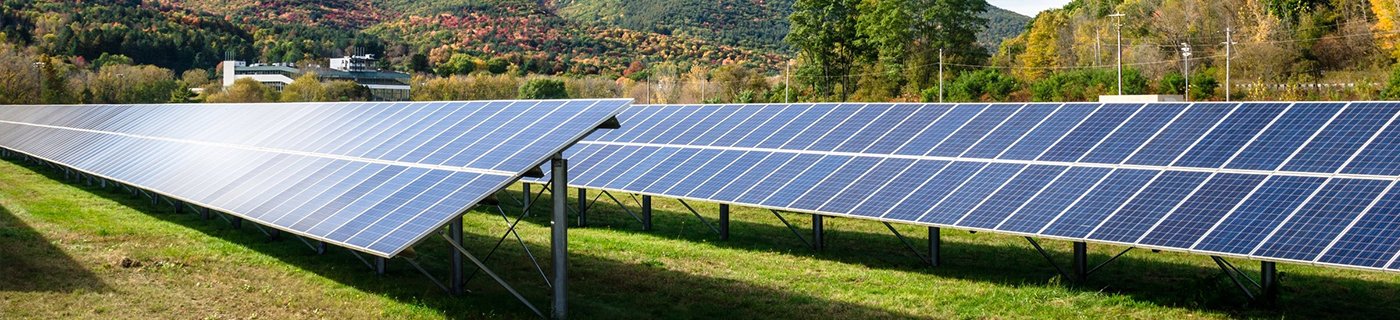
When planning a solar ground-mounted PV project, choosing between aluminum and steel mounting structures is an important engineering and procurement decision. Both materials are widely used in solar racking systems, but they differ in weight, mechanical properties, corrosion protection, installation requirements, and overall project economics.
So, which is better for solar ground mounting: aluminum or steel? Aluminum is generally preferred when lightweight construction, corrosion resistance, and installation efficiency are priorities. Steel is often selected for major structural supports, pile-driven foundations, and projects requiring high structural capacity at a competitive material cost. However, the right choice depends on the complete structural design, site conditions, and project budget.
Landpower Solar provides both aluminum and steel solar ground mounting solutions, including anodized aluminum structures, hot-dip galvanized steel structures, and zinc-aluminum-magnesium (ZAM) coated steel systems. Understanding how these materials perform in different applications can help developers, EPC contractors, and solar mounting distributors make more informed purchasing decisions.

Aluminum solar ground mounting structure
Solar ground mounting systems support photovoltaic modules above the ground and transfer structural loads to the foundation. Their components commonly include mounting rails, support legs, beams, braces, clamps, fasteners, and foundation connections.
The materials used for these components influence the structural behavior and long-term performance of the entire mounting system.
Aluminum solar mounting systems commonly use structural aluminum alloys such as AL6005-T5. Aluminum offers a relatively high strength-to-weight ratio and good natural corrosion resistance. Surface anodizing provides an additional protective oxide layer, making it suitable for outdoor solar installations.
Steel solar mounting systems typically use structural steel with protective coatings, such as hot-dip galvanizing or zinc-aluminum-magnesium coatings. Steel provides high stiffness and strength, making it suitable for piles, support columns, beams, and other load-bearing components.
It is also important to distinguish between different steel protection technologies. Conventional galvanized steel and ZAM-coated steel have different coating compositions and corrosion protection characteristics. They should not be treated as identical materials when comparing solar mounting products.
Structural strength is one of the first considerations when comparing aluminum and steel solar ground mounting systems. The mounting structure must withstand its own weight, photovoltaic module loads, wind pressure, snow loads, and other environmental forces throughout its design life.
Aluminum: Aluminum alloy AL6005-T5 is commonly used in solar mounting rails and structural profiles. It provides a useful combination of mechanical strength, relatively low density, and corrosion resistance. Its lightweight characteristics can simplify transportation, handling, and installation.
However, aluminum has a lower elastic modulus than structural steel. For components with identical geometry, aluminum generally has lower stiffness and may experience greater deflection under the same loading conditions. Engineers may need to adjust profile dimensions, wall thickness, support spacing, or cross-sectional design to achieve the required performance.
Steel: Structural steel generally offers higher stiffness and high load-bearing capacity. This makes it suitable for support columns, driven piles, and structural members exposed to significant bending or compression forces.
Steel structures can often achieve the required strength with relatively compact structural sections. Nevertheless, the final performance depends on steel grade, section geometry, connection design, coating condition, and foundation capacity.
The important point is that material strength alone does not determine the performance of a solar mounting system. A properly engineered aluminum structure can be suitable for demanding applications, while a poorly designed steel structure may still fail to meet project requirements. Structural calculations should always be based on the actual site loads and applicable design standards.
The difference in material density has a direct influence on transportation, handling, and installation. Aluminum has a density of approximately 2.70 g/cm³, while carbon steel is approximately 7.85 g/cm³. This means aluminum is significantly lighter by volume.
For solar mounting projects involving thousands of structural components, a lower component weight can simplify material handling and reduce the effort required for transportation and on-site assembly.
Advantages of aluminum structures include:
Steel structures also offer installation advantages:
Landpower's aluminum landscape ground mounting system uses highly preassembled components, particularly the support legs. Its tilt-in T-module design helps reduce installation operations on site. The company also describes the system as compatible with both ground screw and concrete foundations.
Preassembled aluminum ground mounting structure
For large utility-scale projects, installation speed should be evaluated at the complete system level. Component weight, foundation preparation, pile installation equipment, connection design, and the number of assembly operations all affect the actual installation schedule.
Solar ground mounting systems are exposed to rain, humidity, temperature fluctuations, ultraviolet radiation, and potentially corrosive atmospheric conditions. Corrosion protection is therefore an important factor in evaluating long-term structural reliability.
Aluminum corrosion resistance
Aluminum naturally forms a thin oxide layer when exposed to air. This layer helps protect the underlying metal against further oxidation. Anodizing can improve surface protection and provide a more durable finish for outdoor applications.
Landpower's aluminum landscape ground mounting system uses anodized aluminum for its main structural components and stainless steel fasteners. The product is designed for open-field installation and is available with ground screw or concrete foundation options.
Steel corrosion protection
Carbon steel requires an effective protective coating to reduce corrosion. Hot-dip galvanizing provides a zinc coating that protects the underlying steel through barrier protection and sacrificial corrosion protection.
ZAM coatings, which contain zinc, aluminum, and magnesium, provide another corrosion protection option. Their coating composition can offer improved corrosion resistance compared with conventional zinc coatings under suitable conditions.
Landpower's ground mounting product range includes ZAM-coated S350GD high-strength steel structures. The manufacturer describes these products as alternatives to conventional hot-dip galvanized steel for projects requiring a combination of structural strength and corrosion protection.
For coastal, industrial, or high-humidity locations, buyers should evaluate the specific coating system, coating thickness, cut-edge protection, fastener materials, and environmental exposure category. Neither aluminum nor coated steel should be assumed to be maintenance-free in every environment.
The initial purchase price is important, particularly for commercial and utility-scale solar installations. However, comparing aluminum and steel based only on price per kilogram can lead to an inaccurate assessment.
Aluminum generally has a higher raw material price per unit of weight than carbon steel. However, its lower density means less material weight may be required for certain applications. Its corrosion resistance and lightweight handling characteristics may also influence installation and maintenance costs.
Steel can offer competitive material costs and high structural capacity. For large projects requiring substantial foundations and load-bearing support members, a well-designed steel structure may provide an economical solution. The final cost depends on the steel grade, protective coating, fabrication process, transportation, and installation method.
When comparing total project cost, consider the following factors:
A lifecycle cost comparison should use the same design loads, structural performance requirements, project lifespan assumptions, and maintenance conditions. This gives developers a more realistic basis for choosing between aluminum and steel mounting solutions.
The following table summarizes the main differences between aluminum and steel materials in ground-mounted photovoltaic structures.
| Comparison Factor | Aluminum | Steel |
|---|---|---|
| Density | Approx. 2.70 g/cm³ | Approx. 7.85 g/cm³ |
| Structural Stiffness | Lower elastic modulus | Higher elastic modulus |
| Weight | Lightweight | Heavier |
| Corrosion Protection | Natural oxide layer and anodizing | Galvanizing or ZAM coating |
| Installation | Convenient handling and preassembly | Suitable for pile-driven and heavy-duty designs |
| Material Cost | Generally higher per unit of weight | Often competitive per unit of weight |
| Common Applications | Rails, supports, lightweight ground structures | Piles, columns, beams, large structural supports |
These are general material characteristics rather than a direct performance ranking of complete mounting systems. Actual structural capacity, corrosion resistance, and project costs must be verified through product-specific engineering data and calculations.
The most suitable mounting material depends on the project location, foundation conditions, structural requirements, and installation strategy. The following applications provide a practical starting point for material selection.
Commercial and industrial ground-mounted solar projects
Aluminum mounting systems can be attractive for commercial and industrial projects where lightweight components, corrosion resistance, and preassembled structures help simplify installation. They are particularly useful when project teams want to reduce on-site handling and minimize installation operations.
Large utility-scale solar farms
Steel ground mounting structures are commonly considered for large solar farms because of their structural stiffness, high load-bearing capacity, and compatibility with driven pile foundations. ZAM-coated steel can also be considered when corrosion protection is an important project requirement.
Coastal and high-humidity environments
Anodized aluminum is often attractive in corrosive environments because of its natural oxide layer and additional surface protection. However, appropriately coated steel can also be used when the coating system, fasteners, and connection details are designed for the exposure conditions.
Projects with challenging foundation conditions
Foundation selection should be based on geotechnical conditions rather than material preference alone. Ground screws may be suitable for certain soil conditions, while concrete foundations or driven piles may be more appropriate for other sites.
For projects with complex terrain, high wind loads, or significant snow loads, a customized engineering solution is recommended. The mounting material should be selected together with the foundation and structural configuration.
Landpower Solar offers aluminum ground mounting structures designed for commercial and utility-scale photovoltaic installations. Its aluminum landscape ground mounting system uses anodized aluminum structural components and stainless steel fasteners.
Landpower aluminum landscape ground mounting solution
According to the product information published by Landpower, its aluminum landscape ground mounting system includes the following specifications:
The product is designed with highly preassembled components to simplify on-site installation. Its foundation flexibility also allows the system to be adapted to different ground conditions, subject to project-specific engineering.
For buyers seeking lightweight and corrosion-resistant mounting structures, the Landpower Aluminium Landscape Ground Mounting System is worth considering. The final configuration should be confirmed according to module dimensions, structural loads, and foundation requirements.
For projects requiring high structural stiffness and compatibility with driven foundations, Landpower also provides steel ground mounting solutions. Its product portfolio includes pile-driven steel structures, ground screw steel mounting systems, and ZAM-coated steel structures.

Landpower steel solar ground mounting structure
One of its solutions is the Single Row ZAM Ground Mount, manufactured using ZAM (Zn-Al-Mg) coated S350GD high-strength steel. This structure uses a single ramming pile per post, helping simplify the installation arrangement.
Another option is the pile-driven steel ground mounting structure, which uses MG-Al-Zn coated steel. This type of mounting solution is designed for open-field solar projects where driven foundations and corrosion-protected structural members are required.
Landpower's steel ground mounting product information also describes different foundation arrangements, including concrete with pre-buried bolts, direct burial, and ground screw foundations, depending on the selected system design.
You can explore the Landpower Steel Ground Mounting System to review its structural design and technical information. For projects with specific corrosion protection or pile-driving requirements, ask the engineering team to confirm the appropriate steel grade and coating specification.
Yes. A hybrid aluminum and steel solar mounting system can combine the advantages of both materials. Instead of manufacturing every structural component from one material, engineers can select different materials according to the function and loading requirements of each component.
For example, steel piles or support columns may provide the required foundation and load-bearing capacity, while aluminum rails can provide lightweight module support and convenient installation.
A hybrid structure may offer several advantages:
However, connecting aluminum and steel requires careful engineering. Direct contact between dissimilar metals in the presence of moisture can cause galvanic corrosion, particularly when the aluminum acts as the anodic material.
Appropriate electrical isolation, compatible fasteners, protective coatings, drainage details, and connection design should be considered. The structural designer should also check thermal movement, connection strength, and long-term maintenance requirements.
Before selecting aluminum or steel, solar developers and EPC contractors should evaluate the complete project rather than focusing on a single material property.
Check the project location. Review local wind speed, snow loads, temperature conditions, humidity, and atmospheric corrosion exposure.
Evaluate the soil and foundation conditions. Geotechnical information helps determine whether driven piles, ground screws, or concrete foundations are suitable.
Confirm the photovoltaic module specifications. Module dimensions, weight, frame type, orientation, and clamp requirements affect the mounting structure design.
Compare engineering calculations. Check member strength, deflection, buckling, connection capacity, foundation resistance, and applicable structural standards.
Review installation and lifecycle costs. Include fabrication, coating, shipping, labor, maintenance, and expected service life in the comparison.
Landpower Solar specializes in developing and manufacturing solar mounting structures and related aluminum and steel products. Its engineering team provides customized solutions based on individual project requirements, making it possible to evaluate different material and foundation configurations for commercial and utility-scale installations.
For a broader comparison of available solutions, visit the Landpower Solar Ground Mounting System product category to explore aluminum, steel, pile-driven, and ground screw mounting options.
1. Is aluminum or steel better for solar ground mounting systems?
Aluminum is generally preferred for lightweight construction and corrosion resistance, while steel is often selected for high-stiffness structural supports and pile-driven foundations. The better choice depends on site conditions, structural loads, installation methods, and total project cost.
2. Why is aluminum used in solar mounting structures?
Aluminum is lightweight, naturally corrosion-resistant, and relatively easy to handle during installation. Alloys such as AL6005-T5 are commonly used in solar mounting rails and structural profiles because they combine useful mechanical properties with outdoor durability.
3. Is steel stronger than aluminum for solar mounting?
Steel generally has a higher elastic modulus and can provide greater stiffness for comparable cross-sectional geometry. However, structural performance depends on the material grade, profile dimensions, connections, and engineering design. Properly designed aluminum structures can also meet demanding project requirements.
4. Which material offers better corrosion resistance?
Anodized aluminum offers good corrosion resistance through its protective oxide layer. Steel relies on protective coatings such as hot-dip galvanizing or zinc-aluminum-magnesium coatings. The better solution depends on environmental exposure, coating specifications, and connection details.
5. What is the difference between galvanized steel and ZAM steel solar mounting?
Galvanized steel uses a zinc protective coating, while ZAM steel uses a zinc-aluminum-magnesium alloy coating. ZAM coatings can provide improved corrosion protection under suitable conditions. The actual performance depends on coating composition, thickness, processing, and the exposure environment.
6. Can aluminum and steel be used together in one solar mounting system?
Yes. Hybrid structures can use steel for piles and major supports and aluminum for rails or selected upper components. Appropriate electrical isolation and compatible connection details are necessary to reduce galvanic corrosion risks.
7. What aluminum alloy does Landpower use for its ground mounting systems?
Landpower's product information identifies anodized aluminum as the main structural material of its aluminum landscape ground mounting system. Other Landpower solar mounting product information also identifies AL6005-T5 aluminum alloy for structural components. The exact alloy specification should be confirmed for the selected product.
8. What type of steel does Landpower offer for solar ground mounting?
Landpower offers several steel ground mounting solutions, including ZAM (Zn-Al-Mg) coated S350GD high-strength steel and MG-Al-Zn coated steel structures. Available configurations include single-row ZAM ground mounts and pile-driven steel mounting systems.
9. Are Landpower aluminum ground mounting systems suitable for high-wind areas?
Landpower lists a wind load of up to 60 m/s for its aluminum landscape ground mounting system. Suitability for a particular project must be verified through engineering calculations using the local wind design standard, site exposure, structure geometry, and foundation conditions.
10. How do I choose the right ground mounting system for a solar project?
Provide the project location, wind and snow loads, soil conditions, solar module specifications, installation layout, and estimated project capacity. A qualified mounting system manufacturer can use these details to evaluate the material, structural configuration, and foundation requirements.
Need a Customized Solar Ground Mounting Solution?
Whether your project requires lightweight aluminum structures, high-strength steel supports, or a combination of both, Landpower Solar can provide mounting solutions based on project-specific engineering requirements.
Share your project location, module specifications, design loads, foundation requirements, and estimated quantity with our team to discuss a suitable configuration.
 get the latest subscribe for newsletter
Please read on, stay posted, subscribe, and we welcome you to tell us what you think.
Email : Sales@LandpowerSolar.com
Tel : +86 -592-6212776
Unit 206-9, No 15, Duiying Road, Jimei District, Xiamen, China
GET DIRECTIONS




 IPv6 network supported